Bibimbap Korean Traditional Rice Bowl Authentic Recipe
A colorful Korean rice bowl topped with vegetables, beef, egg, and spicy gochujang sauce.
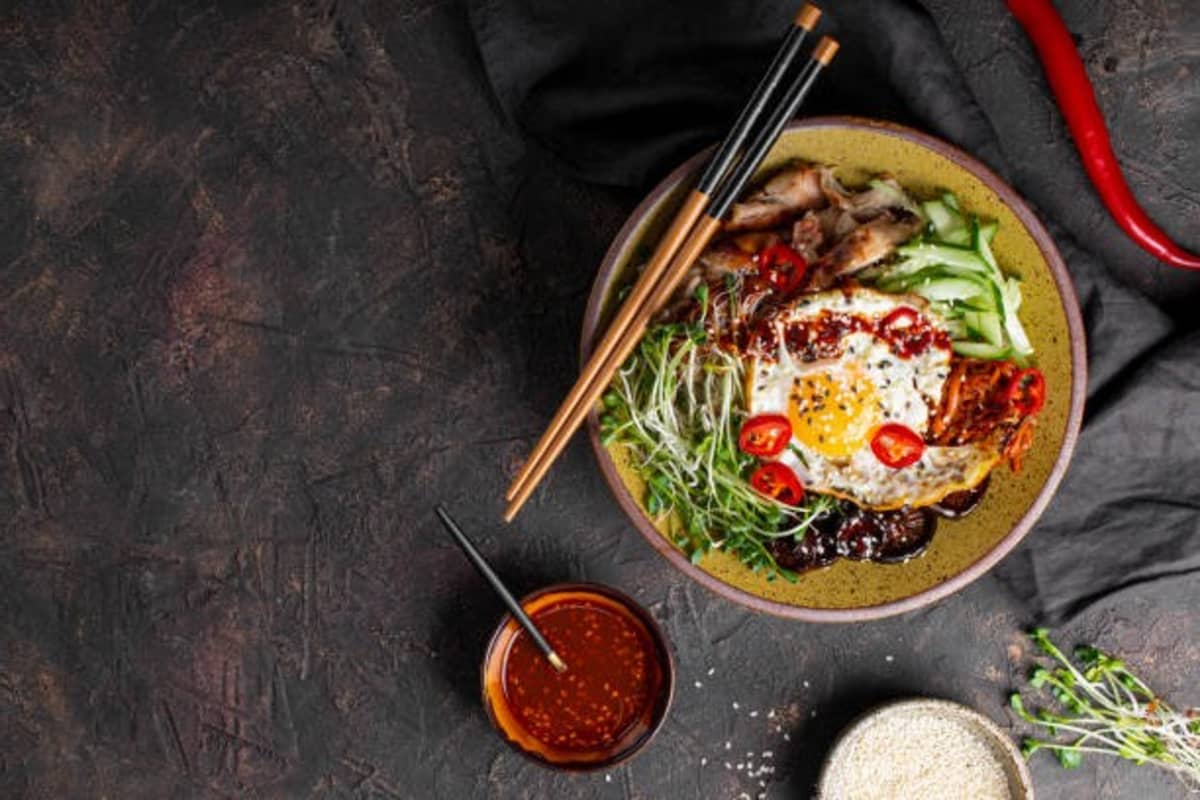
Bibimbap

ByKavitha
Quick Info
- Prep: 25 mins
- Cook: 20 mins
- Servings: 4
Ingredient Substitutes
- Beef -> Tofu
- Egg -> Vegan alternative
Ingredients
- 3 cups cooked short-grain rice
- 200g beef strips
- 1 carrot, julienned
- 1 zucchini, sliced
- 1 cup spinach
- 1 cup bean sprouts
- 4 eggs
- 2 tbsp soy sauce
- 1 tbsp sesame oil
- 2 tbsp gochujang
- 1 tsp sugar
- 1 tbsp vegetable oil
- Sesame seeds for garnish
Instructions
- Cook rice and keep warm.
- Season beef with soy sauce and sesame oil; stir-fry until cooked.
- Lightly saute carrot, zucchini, spinach, and bean sprouts separately.
- Fry eggs sunny-side up.
- In a small bowl, mix gochujang, sugar, and a little sesame oil.
- Assemble bowls with rice at bottom.
- Arrange vegetables and beef neatly on top.
- Place fried egg in center.
- Add gochujang sauce and sprinkle sesame seeds.
- Mix everything together before eating.
From Steamed Rice to Perfect Harmony: The Complete Korean Bibimbap Experience
Bibimbap is far more than a rice bowl — it is a carefully structured composition that represents balance, color, nutrition, and harmony in Korean cuisine. Originating in South Korea and especially popular in Seoul, Bibimbap literally translates to 'mixed rice.' Yet the beauty of this dish lies not only in mixing, but in the thoughtful preparation of each individual component before they come together.
Preparing the Foundation: Perfect Short-Grain Rice
The heart of Bibimbap begins with freshly cooked short-grain rice. Korean rice is slightly sticky yet tender, allowing it to bind flavors together when mixed. The rice must be warm at the time of serving, as warmth helps the gochujang sauce blend evenly and enhances aroma.
Rinsing the rice thoroughly before cooking removes excess starch and ensures clean texture. Properly cooked rice should be soft yet structured — never mushy.
Seasoning and Cooking the Beef
Thin strips of beef are traditionally used, often lightly marinated in soy sauce and sesame oil. This simple seasoning enhances natural flavor without overpowering the dish.
The beef is stir-fried quickly over medium-high heat. Overcooking can toughen the meat, so timing is essential. The goal is tender, savory strips that complement the vegetables and rice.
Preparing Vegetables Individually
One of the defining characteristics of Bibimbap is that each vegetable is prepared separately. Carrots are julienned and lightly sauteed to maintain slight crunch. Zucchini is sliced and cooked just until tender. Spinach is blanched briefly and seasoned lightly. Bean sprouts are softened but still fresh in texture.
Cooking vegetables separately preserves their individual color, flavor, and texture. This is crucial because Bibimbap celebrates contrast — crisp and soft, warm and fresh.
The Egg: A Creamy Centerpiece
A sunny-side-up egg is gently fried so the yolk remains slightly runny. When mixed into the bowl, the yolk creates a creamy coating that binds ingredients together.
The egg is placed at the center of the bowl, symbolizing balance and unity.
Crafting the Gochujang Sauce
Gochujang, Korea's iconic fermented chili paste, is blended with a touch of sugar and sesame oil. This mixture provides heat, sweetness, and depth.
The sauce should taste balanced — spicy but not overwhelming. The amount added can be adjusted depending on spice tolerance.
Assembling with Intention
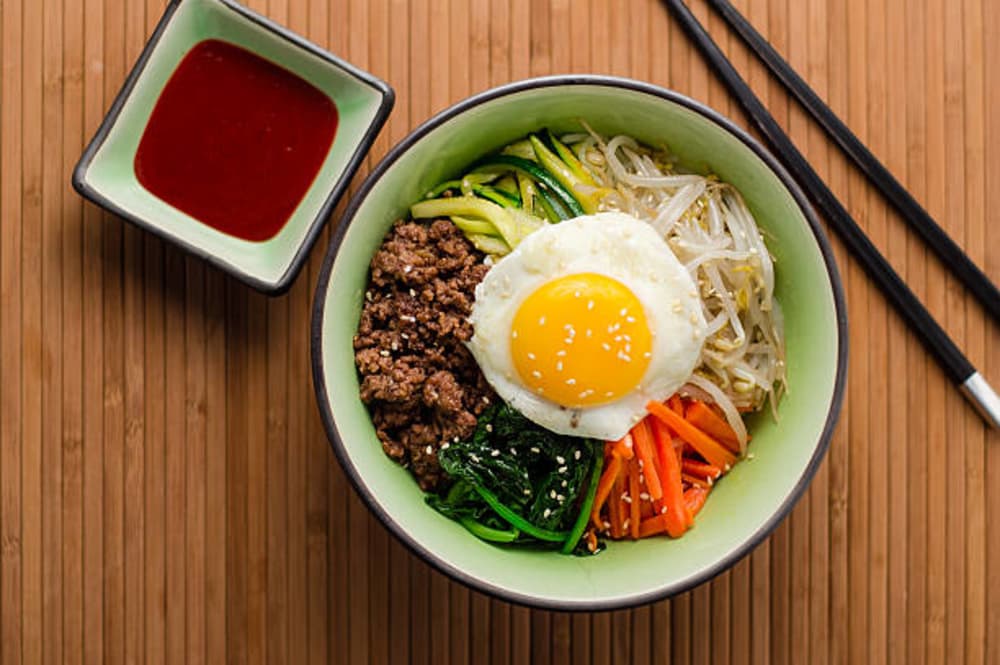
Assembly is done thoughtfully. Warm rice forms the base. Vegetables and beef are arranged neatly in sections around the bowl, creating a vibrant display of colors — orange carrots, green spinach, pale bean sprouts, golden zucchini, and rich brown beef.
The egg rests at the center, and sesame seeds are sprinkled lightly on top.
This visual presentation reflects Korean culinary philosophy, where food is meant to be aesthetically pleasing as well as nourishing.
The Mixing Ritual
Before eating, all ingredients are mixed thoroughly. This step transforms separate flavors into a unified dish. The rice absorbs gochujang, the egg yolk coats vegetables, and the sesame oil ties everything together.
The final taste should be savory, slightly spicy, mildly sweet, nutty, and deeply satisfying.
Serving and Cultural Significance
Bibimbap is commonly served hot, often accompanied by kimchi and small Korean side dishes. It pairs beautifully with barley tea or a light soup.
In Korean homes, Bibimbap is often customized based on seasonal vegetables and personal preference. It represents resourcefulness, nutrition, and harmony — combining multiple ingredients into one balanced meal.
Bibimbap remains one of South Korea’s most iconic comfort foods, enjoyed both in traditional households and modern restaurants worldwide. Its vibrant colors, nourishing ingredients, and interactive mixing ritual make it a timeless culinary experience.
Tips & Variations
Prepare ingredients in advance for easier assembly | Do not overcook vegetables | Use fresh gochujang for authentic taste | Add kimchi for extra flavor | Serve immediately while rice is warm
You will love it
Bibimbap is one of South Korea's most iconic dishes, especially popular in seoul. The name means 'mixed rice' and features a bowl of warm steamed rice topped with sauteed vegetables, seasoned beef, a fried egg, and spicy gochujang sauce. Before eating, everything is mixed together to create a balanced combination of textures and flavors. It is nutritious, visually vibrant, and enjoyed both at home and in Korean restaurants worldwide.
Serving: Serve hot with kimchi and Korean side dishes. Pair with barley tea or light soup.
Storage: Refrigerate 2 days; reheat thoroughly
Tools Required
FAQ
Is Bibimbap very spicy?
Spice level depends on gochujang quantity and can be adjusted.
Can I make it vegetarian?
Yes, omit beef and add tofu or mushrooms.
What rice is best?
Short-grain Korean or Japanese rice works best.
Can I use chicken instead of beef?
Yes, chicken is a common substitute.
How long can leftovers be stored?
Refrigerate up to 2 days and reheat gently.
📝 From Our Kitchen
Bibimbap is a traditional Korean comfort food that beautifully balances nutrition and flavor. Many families customize toppings depending on seasonal vegetables and personal taste.
— Kavitha, Cheffo Kitchen
Kavitha
Founder & Publisher • Culinary Editor
Hi, I’m Kavitha — the founder of Cheffo. Cooking has always been close to my heart, especially traditional recipes passed down through families. Through Cheffo, I share authentic regional dishes with clear instructions and practical tips so you can recreate those comforting flavors at home.