Raw Mango Pulihora Andhra Style Summer Special
A seasonal tangy rice dish made with grated raw mango, tempered spices, and curry leaves; a summer delicacy in Andhra cuisine.
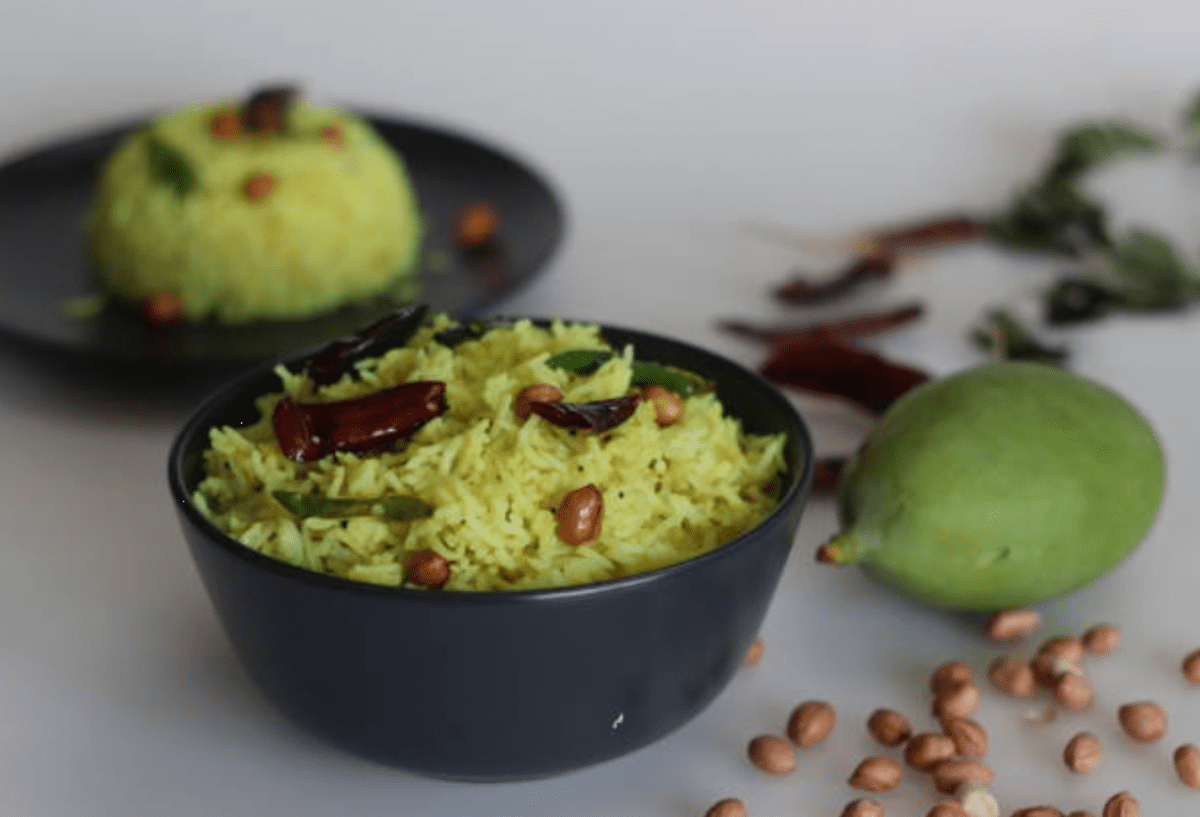
Mango Pulihora

ByKavitha
Quick Info
- Prep: 15 mins
- Cook: 15 mins
- Servings: 4
Ingredient Substitutes
- Raw mango ? Lemon juice or tamarind pulp
- Sesame oil ? Peanut oil
Ingredients
- 2 cups cooked rice (cooled)
- 1 cup raw mango, grated
- 2 green chilies, slit
- 2 dried red chilies
- 1 tbsp chana dal
- 1 tbsp urad dal
- 2 tbsp peanuts
- 1 sprig curry leaves
- 1 tsp mustard seeds
- 1/4 tsp turmeric powder
- 2 tbsp sesame oil
- Salt to taste
Instructions
- Cook rice and let it cool slightly.
- Heat oil in a pan, add mustard seeds and let them splutter.
- Add chana dal, urad dal, peanuts, fry until golden.
- Add curry leaves, green chilies, red chilies, turmeric; saute briefly.
- Stir in grated raw mango, cook for 1-2 minutes.
- Mix this into cooled rice with salt.
- Rest 15 minutes before serving for flavors to meld.
- Serve as prasadam or part of a festive meal.
From Seasonal Raw Mango to Tangy Summer Rice: The Complete Andhra Mango Pulihora Craft
Mango Pulihora, also called mamidi pulihora, is a seasonal Andhra specialty prepared during peak summer when raw mangoes are abundant. Especially popular in Vijayawada and surrounding regions, this dish captures the essence of Andhra’s summer flavors. It is tangy, mildly spicy, and aromatic, often served as prasadam or as part of festive meals.
Selecting the Right Raw Mango
The foundation of mango pulihora lies in choosing firm, sour raw mangoes. The mango should be bright green, unripe, and sharply tangy. Semi-ripe mangoes reduce the intensity of flavor and introduce unwanted sweetness.
After washing and peeling, the mango is grated finely. Fine grating ensures even distribution and proper integration into the rice.
Preparing the Rice for Mixing
As with other pulihora varieties, rice must be cooked so that grains remain separate. Once cooked, it is spread and cooled to prevent clumping.
Cooling is essential because adding hot seasoning to warm rice can alter texture and reduce tangy sharpness.
Building the Tempered Base
Heat sesame oil in a heavy pan. Sesame oil enhances traditional Andhra flavor and complements the sourness of mango.
Add mustard seeds and allow them to splutter. Then add chana dal and urad dal, frying until golden. Peanuts follow, contributing crunch and richness.
Curry leaves, green chilies, dried red chilies, and turmeric are added next. Turmeric deepens color while enhancing aroma.
Cooking the Mango Lightly
Grated raw mango is added to the tempering and sauteed briefly — no more than 1–2 minutes. Overcooking reduces tanginess and softens texture excessively. The mango should retain slight firmness and bright acidity.
Salt is added at this stage to balance sourness.
Mixing and Resting
The mango mixture is poured gently over cooled rice. Using a flat spatula, fold carefully without mashing the grains.
Allow the pulihora to rest for 15 minutes before serving. This resting period allows flavors to blend while preserving the fresh mango character.
Flavor Profile and Seasonal Significance
Mango pulihora should taste tangy, mildly spicy, slightly nutty, and aromatic. The sourness from raw mango is sharper and fresher compared to tamarind or lemon versions.
This dish is especially popular during summer festivals and temple offerings. In many homes, it is among the first preparations made with newly available seasonal mangoes.
Serving the Traditional Way
Mango pulihora is served at room temperature, often paired with papad, curd, or light raita. It is also offered as prasadam in temples during summer.
Because it relies on fresh mango, it is best consumed within 6–8 hours for optimal flavor.
Mango pulihora beautifully represents Andhra’s seasonal cooking philosophy — celebrating ingredients at their peak and transforming them into dishes that are simple, vibrant, and culturally meaningful.
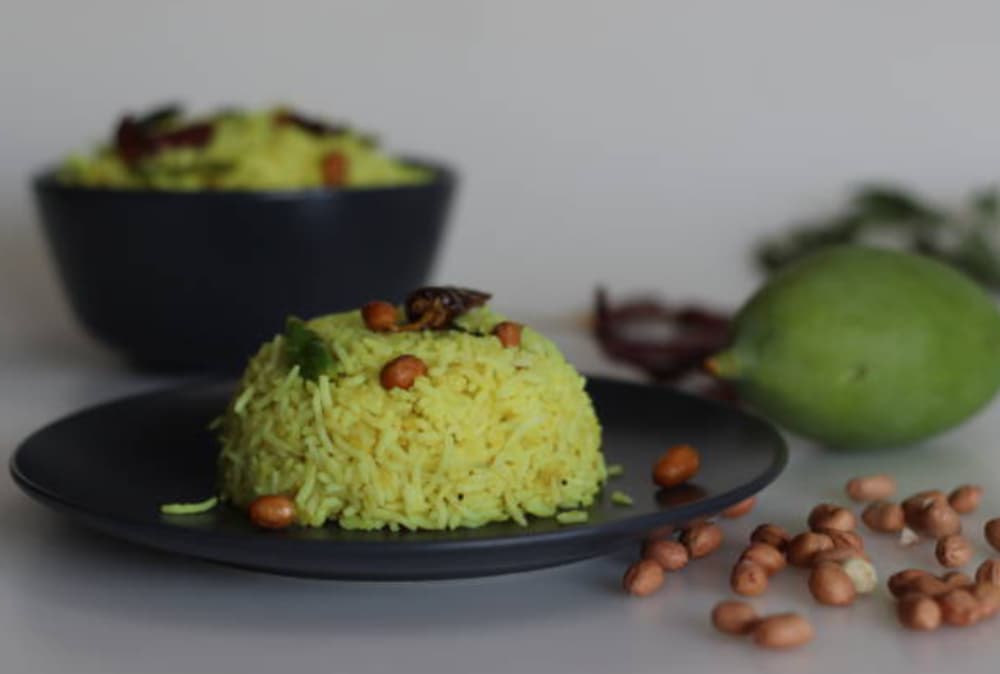
Tips & Variations
Choose firm, sour raw mangoes for best taste | Do not overcook mango gratings; they should remain tangy | Sesame oil enhances Andhra flavor | Adjust mango quantity based on sourness | Best consumed same day
You will love it
Mango Pulihora, or mamidi pulihora, is a seasonal Andhra delicacy prepared during summer when raw mangoes are abundant. Cooked rice is mixed with sauteed raw mango gratings, curry leaves, green chilies, and tempered spices like mustard seeds, chana dal, urad dal, and peanuts. The result is a tangy, mildly spicy, and refreshing dish that captures the essence of Andhra summer festivals and is often offered as prasadam.
Serving: Serve at room temperature with papad or curd; also served as prasadam in temples.
Storage: Refrigerate 1-2 days
Tools Required
FAQ
What is mamidi pulihora?
It is raw mango rice, a tangy seasonal variant of pulihora.
Can I use semi-ripe mangoes?
Semi-ripe mangoes make it less tangy and slightly sweet.
Is it similar to tamarind rice?
Yes, it's the mango-based cousin of tamarind pulihora.
How long does it last?
Best eaten within 6-8 hours; freshness fades after that.
Is it vegan?
Yes, if cooked with oil instead of ghee.
📝 From Our Kitchen
Mango pulihora is especially popular during summer when raw mangoes are in season. In many homes, it is one of the first dishes prepared using fresh seasonal mangoes.
— Kavitha, Cheffo Kitchen
More recipes from andhra-pradesh
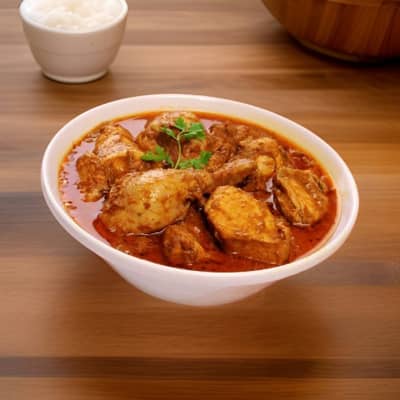
Andhra Chicken Curry
A spicy, flavorful curry from Vijayawada kitchens. Tender chicken is simmered in a base of caramelized onions, tangy tomatoes, and Andhra spices for a rich gravy.
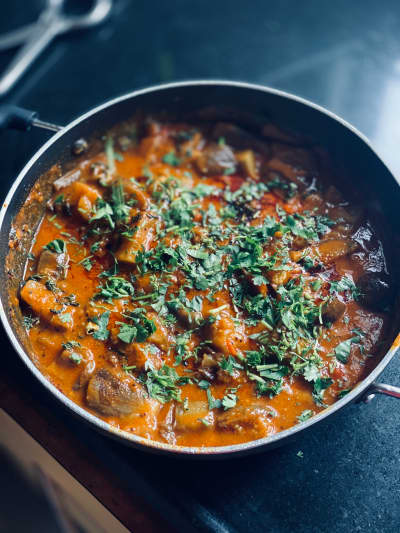
Gongura Mutton
A tangy and spicy mutton curry made with gongura leaves, a signature Andhra dish.

Pesarattu
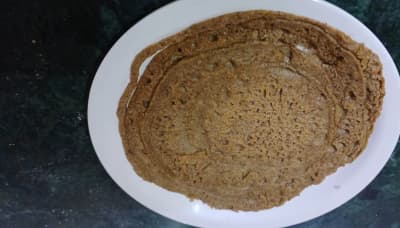
A thin, protein-rich crepe from Andhra Pradesh made from whole green gram (moong); usually served with ginger chutney or stuffed with upma.
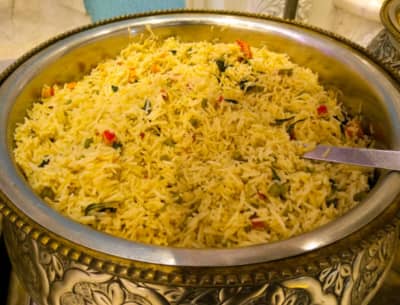
Pulihora
A tangy, spiced rice dish flavored with tamarind pulp, curry leaves, and tempered spices; a staple prasadam in Andhra temples.
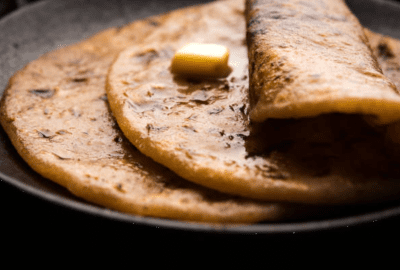
Bobbatlu
A festive sweet flatbread stuffed with chana dal and jaggery, flavored with cardamom; a Ugadi and special occasion delicacy in Andhra Pradesh.
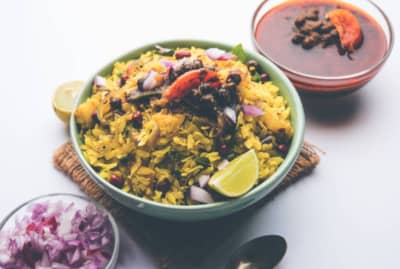
Lemon Pulihora
A tangy, refreshing rice dish flavored with lemon juice, curry leaves, and green chilies; popular as prasadam and travel food.
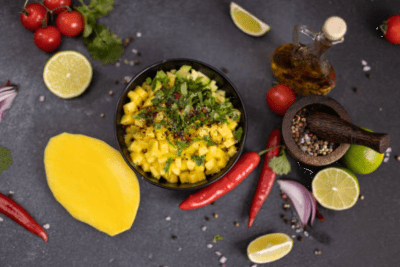
Ugadi Pachadi
A symbolic chutney made with raw mango, neem flowers, jaggery, tamarind, and chili; represents all six tastes of life.

Ariselu
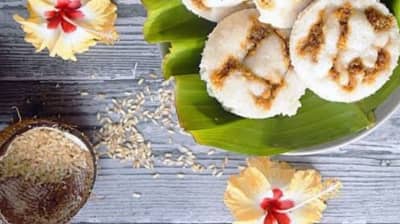
A traditional Andhra sweet made with rice flour and jaggery, deep-fried into round discs, prepared for festivals like Ugadi.
Explore other regional flavors from india
Discover traditional recipes from different regions across india, handpicked and refreshed every hour.
Kavitha
Founder & Publisher • Culinary Editor
Hi, I’m Kavitha — the founder of Cheffo. Cooking has always been close to my heart, especially traditional recipes passed down through families. Through Cheffo, I share authentic regional dishes with clear instructions and practical tips so you can recreate those comforting flavors at home.