Crispy Pesarattu Green Gram Dosa Andhra Style
A thin, protein-rich crepe from Andhra Pradesh made from whole green gram (moong); usually served with ginger chutney or stuffed with upma.
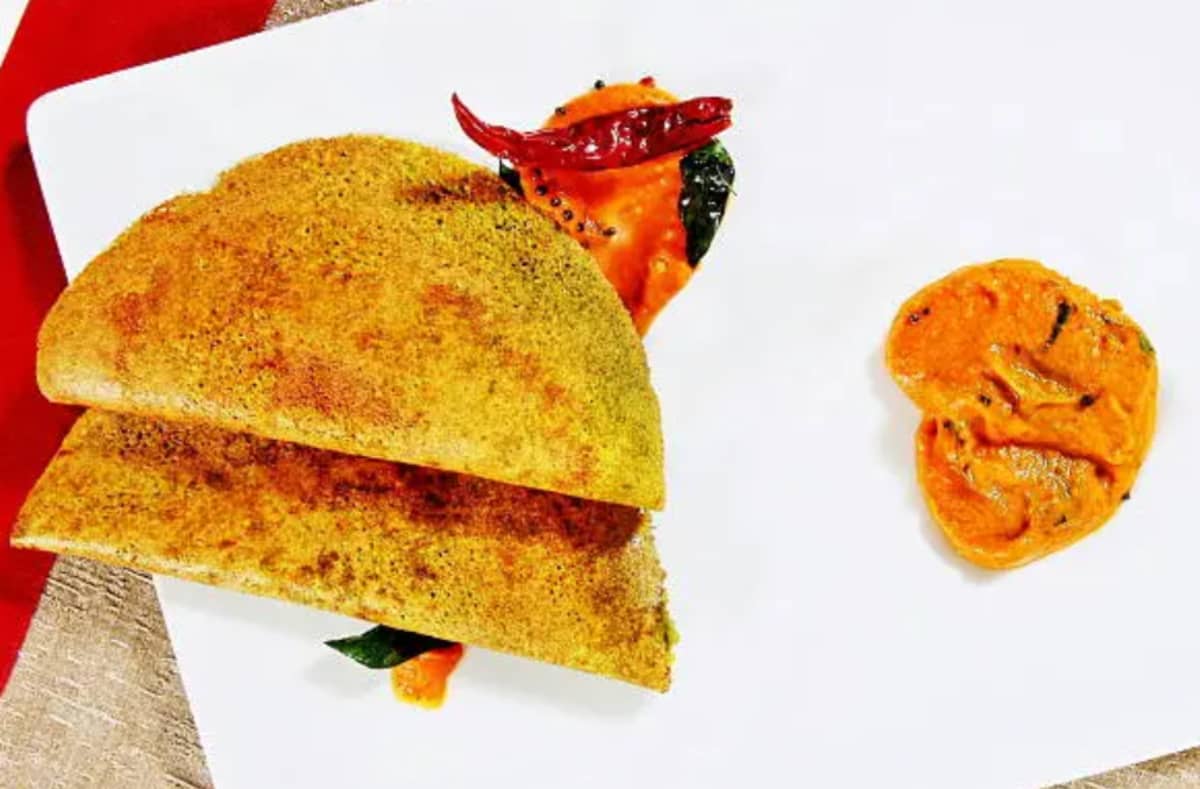
Pesarattu

ByKavitha
Quick Info
- Prep: 15 mins (plus 4-6 hrs soaking)
- Cook: 10 mins
- Servings: 4
Ingredient Substitutes
- Rice ? Oats or semolina (for crispness)
- Whole moong ? Split yellow moong (softer texture)
Ingredients
- 1 cup whole green moong (pesalu), soaked 4-6 hrs
- 2 tbsp rice (optional, for crispness)
- 1-2 green chilies
- 1 inch ginger
- 1 tsp cumin seeds
- Salt to taste
- 2-3 tbsp finely chopped onions (optional)
- Oil/ghee for cooking
- Water as needed
Instructions
- Rinse and soak whole green moong for 4-6 hours.
- Drain and transfer to blender. Add green chilies, ginger, cumin and a little water; grind to a smooth but slightly coarse batter.
- Stir in rice (if using) and salt; adjust consistency to spreading thickness. Let batter rest 10-15 mins.
- Heat a non-stick tawa/griddle. Pour ladle of batter and spread gently into a thin circle.
- Sprinkle chopped onions (if using) immediately, press lightly. Drizzle a little oil around edges.
- Cook until edges crisp and underside is golden; flip if needed and cook briefly on other side.
- For upma-pesarattu: place a spoonful of rava upma on half the pesarattu and fold.
- Serve hot with ginger (allam) chutney, coconut chutney or tamarind chutney.
From Soaked Moong to Crispy Green Perfection: The Complete Pesarattu Process
Pesarattu is one of the most beloved breakfast dishes of Andhra Pradesh, especially in coastal cities like Visakhapatnam. Unlike fermented dosa batter, Pesarattu relies on soaked whole green gram, making it quicker yet nutritionally dense.
Selecting and Soaking the Moong
Start with whole green moong (pesalu). Whole grains are essential for authentic color and texture. Rinse thoroughly until water runs clear. Soak for 4–6 hours. This soaking softens the outer skin and activates enzymes that improve digestibility.
Proper soaking ensures the batter grinds smoothly without becoming gritty.
Grinding the Batter Correctly
Drain soaked moong and transfer it to a blender. Add ginger, green chilies, cumin seeds, and minimal water. The goal is a smooth but slightly coarse batter — too fine and the dosa becomes rubbery; too coarse and it breaks while spreading.
Salt is added after grinding to control consistency. The batter should be pourable but not watery. Thickness determines whether the pesarattu spreads evenly.
Allow the batter to rest briefly (10–15 minutes). This resting stabilizes texture and allows flavors to blend.
Preparing the Tawa
Heat a flat tawa or non-stick pan over medium-high heat. Proper heat control is crucial. If the surface is too cool, the batter sticks. If too hot, it cooks instantly and cannot spread.
Lightly grease the surface before pouring the batter.
Spreading for Perfect Texture
Pour a ladle of batter in the center and gently spread outward in circular motion. Spread thinly but not so thin that gaps appear. Thin spreading ensures crispy edges.
Immediately sprinkle finely chopped onions if making onion pesarattu. Press lightly so they adhere to the batter.
Drizzle a small amount of oil around the edges. Oil helps create crisp texture and prevents sticking.
Achieving Crisp Edges
Cook undisturbed until edges turn golden and lift slightly from the pan. This indicates moisture has evaporated and the base has crisped.
Flip only if necessary. Traditional pesarattu is often cooked mostly on one side for crispness while maintaining softness inside.
Upma Variation
For upma-pesarattu, place a spoonful of warm rava upma on one half and fold the crepe over it. This variation adds texture contrast and makes the dish more filling.
Flavor and Texture Balance
A perfectly made Pesarattu should be crisp at the edges, slightly soft at the center, and aromatic from ginger and cumin. It carries a nutty, earthy flavor from green gram without the sourness of fermented dosa.
Serving the Andhra Way
Pesarattu is traditionally served hot with ginger chutney (allam pachadi), coconut chutney, or sambar. The sharpness of ginger chutney pairs especially well with the mild nuttiness of the crepe.
Storage and Batter Care
The batter can be refrigerated for up to one day. Stir well before reuse, as natural separation may occur.
Freshly ground batter, however, always produces the best texture and crispness.
Pesarattu remains a wholesome, protein-rich breakfast deeply rooted in Andhra culinary tradition.
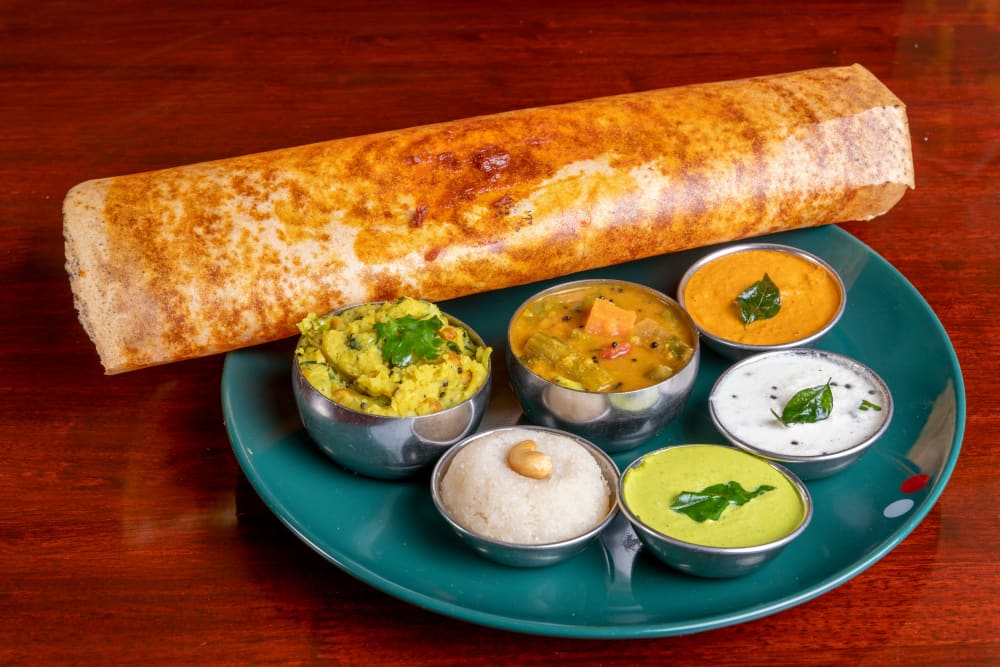
Tips & Variations
Soak moong at least 4 hours for best texture | Add a little rice or rava for extra crispness | Do not over-water while grinding - batter should be pourable but not watery | Cook on medium-high for crisp edges | Use whole moong for authentic flavor (split yellow moong changes texture)
You will love it
Pesarattu (pesara attu) is a traditional Andhra breakfast/snack made from whole green gram (moong). The soaked moong is ground with ginger, green chilies and cumin to make a smooth batter that is spread thin on a hot griddle and cooked to crisp edges. Variants include the onion-masala pesarattu and the popular upma-pesarattu (stuffed with rava upma); commonly eaten across Coastal Andhra including Visakhapatnam.
Serving: Serve hot with ginger (allam) chutney, coconut chutney, peanut/tamarind chutney; popular served with rava upma (Upma Pesarattu) as a stuffing or side.
Storage: Best served fresh; refrigerate batter 1 day
Tools Required
FAQ
Can I use split yellow moong instead of whole green moong?
Yes , split yellow moong (moong dal) works but yields a softer, less green crepe.
What is upma-pesarattu?
Upma-pesarattu is pesarattu stuffed with rava upma (a savory semolina porridge) - very popular in Andhra hotels.
How to make it less spicy?
Reduce/omit green chilies, serve with cooling coconut chutney or curd.
Can I make batter ahead?
Yes , batter keeps refrigerated 1=2 days; re-mix before using.
Is it gluten-free?
Yes , naturally gluten-free if you skip any wheat-based stuffing.
📝 From Our Kitchen
Pesarattu is commonly made fresh in Andhra homes for breakfast, often served hot with ginger chutney. Many families soak the moong dal overnight to get a softer texture and better taste.
— Kavitha, Cheffo Kitchen
More recipes from andhra-pradesh
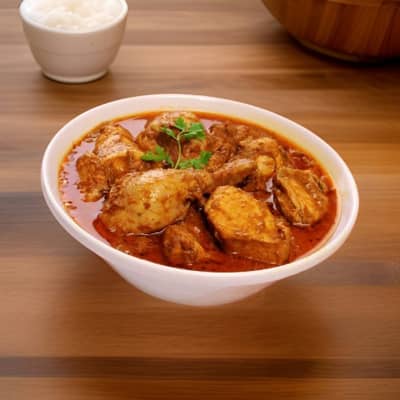
Andhra Chicken Curry
A spicy, flavorful curry from Vijayawada kitchens. Tender chicken is simmered in a base of caramelized onions, tangy tomatoes, and Andhra spices for a rich gravy.
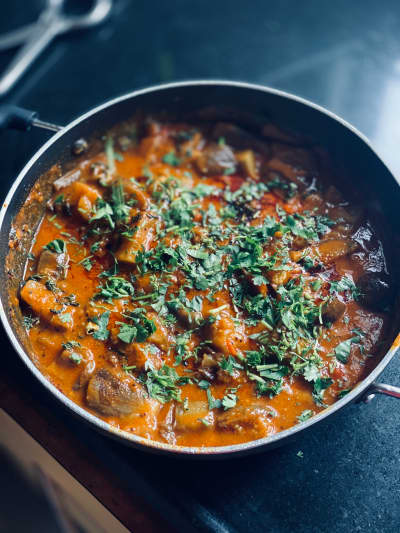
Gongura Mutton
A tangy and spicy mutton curry made with gongura leaves, a signature Andhra dish.
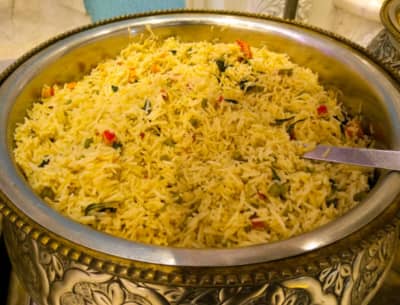
Pulihora
A tangy, spiced rice dish flavored with tamarind pulp, curry leaves, and tempered spices; a staple prasadam in Andhra temples.
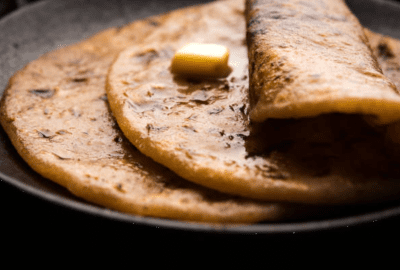
Bobbatlu
A festive sweet flatbread stuffed with chana dal and jaggery, flavored with cardamom; a Ugadi and special occasion delicacy in Andhra Pradesh.
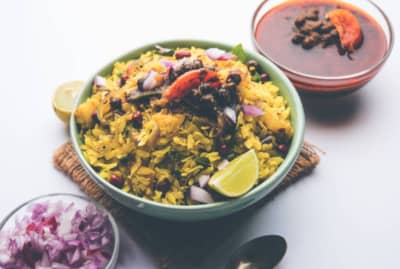
Lemon Pulihora
A tangy, refreshing rice dish flavored with lemon juice, curry leaves, and green chilies; popular as prasadam and travel food.
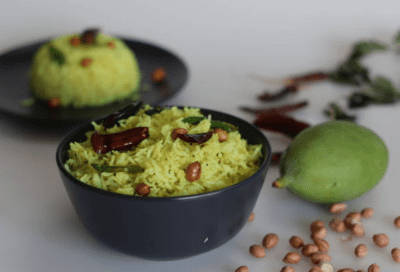
Mango Pulihora
A seasonal tangy rice dish made with grated raw mango, tempered spices, and curry leaves; a summer delicacy in Andhra cuisine.
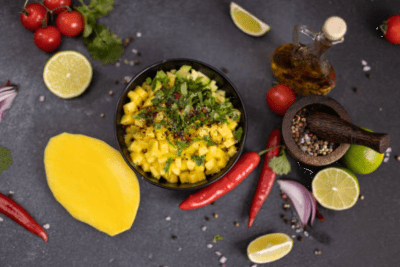
Ugadi Pachadi
A symbolic chutney made with raw mango, neem flowers, jaggery, tamarind, and chili; represents all six tastes of life.
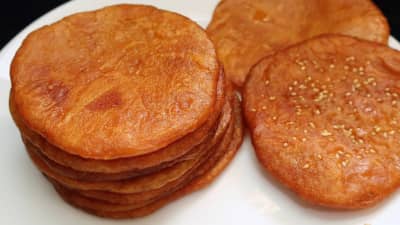
Ariselu
A traditional Andhra sweet made with rice flour and jaggery, deep-fried into round discs, prepared for festivals like Ugadi.
Explore other regional flavors from india
Discover traditional recipes from different regions across india, handpicked and refreshed every hour.

Kavitha
Founder & Publisher • Culinary Editor
Hi, I’m Kavitha — the founder of Cheffo. Cooking has always been close to my heart, especially traditional recipes passed down through families. Through Cheffo, I share authentic regional dishes with clear instructions and practical tips so you can recreate those comforting flavors at home.